A global provider of integrated cold-chain equipment and solutions

What is an incubator?
2023-11-23
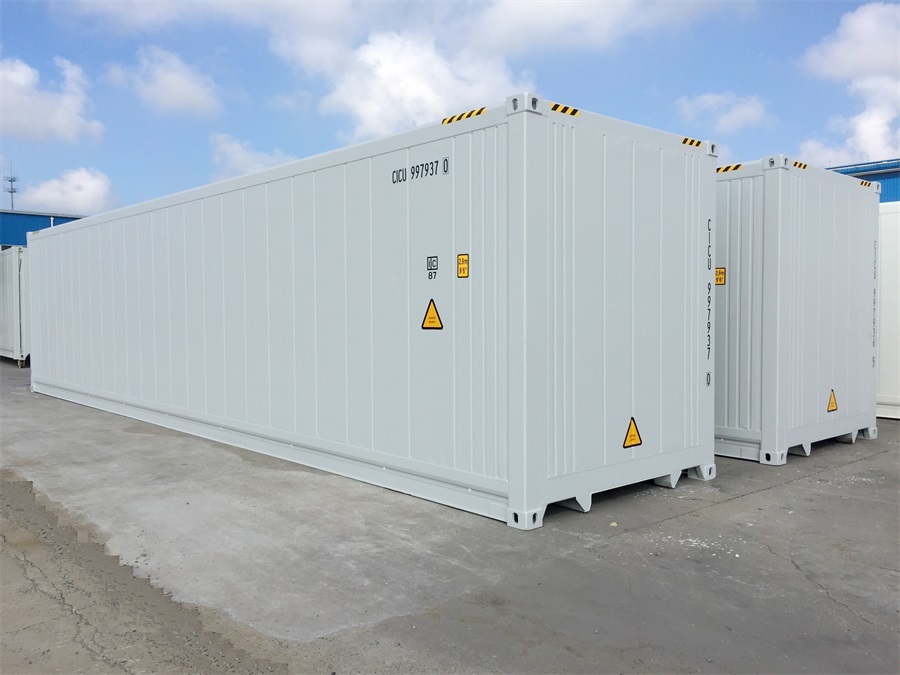
Compared to standard shipping containers, the insulated box replaces the front refrigeration unit with an insulated front wall, relying on its own thermal insulation system to prevent heat exchange between the inside and outside of the container, thereby maintaining a constant temperature within the container.
The insulated container can maintain stable temperatures during the transportation of frozen, refrigerated, and temperature-sensitive goods, making it suitable for a wide range of products and environmental conditions. Its exterior is crafted from sleek, durable steel, while the middle layer is filled with high-performance insulation material. The inner liner is made from safe, food-grade materials, ensuring both reliability and safety. With its low heat leakage, spacious design, and excellent thermal performance, the container quickly stabilizes temperatures within the desired range, effectively safeguarding the quality and integrity of the cargo.
Besides their excellent insulation performance, insulated containers have other notable features. For instance, they can accommodate a variety of transportation methods, such as sea freight and land transport. They help minimize temperature fluctuations during transit, thereby reducing the risk of cargo damage. Moreover, because insulated containers maintain stable temperatures, they also lower energy consumption throughout the shipping process. Finally, since these containers are versatile and suitable for different modes of transport, they can cut down on transportation costs while boosting efficiency. Additionally, these containers can be customized to meet the unique needs of various customers.
Overall, insulated containers can ensure the quality and safety of goods, while also improving transportation efficiency and reducing costs.
Previous post:

Contact Us
Business contact:0086-512 33027708
Phone:0086-512 33027777
Email:xingbiao.shi@cimc.com
Address: No. 99 Binjiang Avenue, Taicang Port Economic and Technological Development Zone, Jiangsu Province

Business contact:
E-mail:


